Package theft is up 30% in NYC apartment buildings since 2023. Break-ins target ground-floor units in Manhattan and Queens at twice the rate of upper floors. If you’re renting, you want protection, but can you install a security system in a rental without losing your deposit or violating your lease?
Yes. The options available to New York City renters have changed in the past few years. You don’t need permission for most of them, and you won’t damage anything.
Start With Your Lease Agreement
Your lease spells out what counts as an “alteration” in your building. Standard NYC rental agreements typically prohibit permanent modifications but define “permanent” differently.
Look for sections on alterations, installations, or drilling. Some leases in doorman buildings allow removable devices. Others in older walk-ups prohibit anything attached to walls.
The Green Light Zone: What You Can Install Without Asking
These devices require no landlord permission in most NYC rentals. They leave no damage and come with you on moving day.
Wireless Indoor Cameras
Cameras sitting on shelves or tables need no approval. You’re monitoring your own space. Models like the Wyze Cam v3 or Ring Indoor Cam cost $30-60 and connect to your phone via WiFi.
For mounted cameras, 3M Command strips hold up to 5 pounds without damaging paint. Renter friendly security cameras NYC tenants use most often include the Blink Mini and TP-Link Tapo. Both offer motion alerts and work without subscriptions.
Contact Sensors for Doors and Windows
Small sensors attach with 3M adhesive backing. One piece goes on the door frame, another on the door itself. They alert your phone anytime someone opens that entry point.
Ground-floor apartments in Queens and Brooklyn benefit most from window sensors. Fire escape access points need monitoring too. The SimpliSafe Entry Sensor and Ring Alarm Contact Sensor both peel off without residue.
Motion Detectors
Battery-powered motion sensors mount in corners using adhesive strips. They detect movement and send phone alerts. The Ring Motion Detector runs 3 years on one battery and installs in under 2 minutes.
All-in-One Starter Kits
SimpliSafe and Ring Alarm sell complete kits designed for renters. A basic Ring Alarm 5-Piece Kit ($200) includes a base station, keypad, contact sensor, motion detector, and range extender. Everything uses removable mounting or sits on flat surfaces.
These systems integrate all your devices into one app instead of managing multiple apps for different cameras and sensors.
System Type
Installation Time
Monthly Cost
Lease Approval Needed?
Wireless cameras
5-10 minutes
$0-10
No
Contact sensors
2-5 minutes
$0-5
No
All-in-one kits
30-60 minutes
$0-20
No
Video doorbells
10-20 minutes
$0-10
Usually yes
Smart locks
15-30 minutes
$0
Yes
The Yellow Light Zone: Devices That Need Landlord Approval
Some devices fall into gray areas. Ask before installing these, even if they seem removable.
Video Doorbells
The question “do I need landlord permission for ring doorbell” has a complicated answer in NYC. If your apartment door opens to a shared hallway, you’re recording common space. That affects your neighbors’ privacy.
The Ring Video Doorbell and Nest Hello both offer no-drill mounts. However, hallway recording still requires landlord approval in most buildings. Co-op boards in Manhattan and Brooklyn often have strict policies about hallway cameras.
Smart Locks
Replacing your lock violates most NYC leases. Landlords must have access for emergencies and maintenance.
Some smart locks work differently. The Level Lock and August Smart Lock fit over your existing deadbolt without replacing it. You keep the original key system while adding smartphone control. These retrofit models still need approval.
The Red Light Zone: Completely Off-Limits in Rentals
These require formal alteration agreements and almost never get approved in rentals.
Hardwired security systems need wires run through walls. Installers drill into studs, fish cables behind drywall, and mount panels permanently. You’d be liable for repairing all damage.
Cameras in common areas are off-limits. You cannot install personal surveillance in hallways, lobbies, stairwells, or laundry rooms. These spaces belong to the building. Installing cameras there creates liability issues and privacy complaints. Looking for home security services that understand NYC rental restrictions helps you avoid these mistakes.
Different NYC Buildings Have Different Rules
Building type changes what works. A high-rise in Midtown Manhattan has different challenges than a brownstone walk-up in Park Slope.
Doorman buildings: Management often restricts hallway cameras completely. However, interior apartment security faces fewer obstacles. WiFi connectivity is usually strong.
Older walk-ups: Thick plaster walls can block WiFi signals. Battery-powered sensors work better than WiFi cameras in back bedrooms. Landlords in these buildings are often more flexible about removable devices.
Your Legal Rights to Safe Housing in NYC
New York City law requires landlords to provide secure entrance doors and functioning locks. You can request lock rekeying if previous tenants had keys.
The NYC Tenant Protection Unit outlines your right to a safe living environment. Building owners must maintain security doors, intercoms, and lobby access systems. Adding your own security supplements these requirements.
Handling the Gray Areas in Your Lease
Some leases stay vague about security devices. They might prohibit “alterations” without defining what that means.
Send your landlord a brief email. List the specific devices you plan to install and how (Command strips, shelf placement, etc.). Mention that everything removes without damage. Keep that email thread. Written approval protects your security deposit during moveout inspection.
Building Security Based on Your Apartment Layout
Studio apartment: One camera covering the entry door, contact sensors on windows if ground floor. Budget: $100-150.
One-bedroom: Camera at entry, window sensors, one motion detector in the living area. Consider a SimpliSafe 5-piece kit. Budget: $200-300.
Ground-floor unit: Prioritize window sensors and glass break detectors. Add a camera facing the fire escape if you have one. Budget: $250-400.
Upper floors: Focus on door security and package monitoring. A video doorbell (with permission) covers most concerns. Budget: $100-200.
How to secure a rental apartment depends on your vulnerabilities. Assess your building’s layout and spot weak points first. Consider getting help from an alarm system installer who can identify risks specific to your building.
Audio Recording Laws for Your Security Cameras
New York is a one-party consent state for audio recording. You can legally record conversations you’re part of. However, cameras facing your front door might capture delivery drivers and guests without their knowledge.
Many NYC renters disable audio on doorbell cameras to avoid complications. You still get video of package deliveries and visitors. Ring and Nest cameras let you turn off microphones in settings.
When to Install It Yourself vs Hiring Help
Most wireless systems take 30-60 minutes to set up yourself. Ring and SimpliSafe apps walk you through each step. You need basic smartphone skills and maybe a stepladder.
Professional installation makes sense for older buildings with WiFi dead zones, complex layouts with multiple rooms, or integrating security with existing smart home devices. Make sure any professional you hire knows they’re working in a rental and will use only removable mounting methods.
Make Sure You Cover These Bases Before You Start
Before installing anything:
Search your lease for “alterations,” “installations,” “drilling,” and “fixtures”
Choose devices with removable mounting (Command strips, shelf placement)
Confirm cameras don’t point into neighboring units or common areas
Get written landlord approval for video doorbells and smart locks
Avoid personal surveillance in shared spaces (hallways, lobbies)
Consider disabling audio recording on cameras facing your door
Save all communication with your landlord about installations
Test WiFi signal strength before buying wireless devices
Getting Started With Your Rental Security System
Installing a security system in a rental is simple once you understand your lease and choose the right devices. NYC renters have access to the same technology as homeowners, just in removable formats.
Focus on wireless, battery-powered devices that mount with removable strips or sit on surfaces. Communicate with your landlord about anything questionable.
The best security for apartments combines multiple layers: contact sensors on entry points, cameras in key locations, and motion detection in vulnerable areas. This no-drill security system for apartments approach gives you real protection without jeopardizing your lease.
Monday morning, 9 AM. Your team gathers in the conference room for the weekly standup. Three colleagues dial in from Brooklyn, two from Jersey City, one from home in Queens. The camera cuts off half the table. Someone asks a question from the back, but it sounds like underwater static to everyone on the call. Five minutes disappear while you troubleshoot screen sharing.
This scene repeats itself thousands of times each day across Manhattan office buildings. 83% of employees now prefer hybrid work arrangements, but most conference rooms remain stuck in 2019. The result is wasted time, frustrated employees, and meetings where remote participants feel invisible.
For NYC businesses paying premium rates for office space, every square foot needs to justify its cost. Your conference room has gone from just another meeting space to the hub that keeps distributed teams connected. If it fails at that job, you’re burning money.
The New Reality for NYC Office Spaces
Office spaces across Manhattan tell the same story. Individual desks sit empty most of the week. Conference rooms? Booked solid from 9 to 5.
40% of office meetings now include remote participants, changing what your meeting space needs to accomplish. The room has to work equally well for people in chairs around the table and people joining from a laptop 10 miles away.
Manhattan office rent doesn’t get cheaper. Buildings in SoHo, the Financial District, and Midtown command premium prices. A conference room that creates friction during meetings represents both a technical failure and a business liability.
What Your Conference Room Needs for Hybrid Work?
Displays That Work for Hybrid Teams
That 55-inch TV mounted on the wall worked fine five years ago. Today, it creates more problems than it solves. Modern hybrid conference rooms use dual-display configurations. One screen shows remote participants at life-size scale, the other handles presentations and documents.
Some businesses go with 4K commercial displays or ultra-wide screens. The investment pays off during client pitches and strategy sessions. Your team in Chicago can read every line of the spreadsheet. Your partner in LA sees the whiteboard clearly.
Cameras That Track Whoever’s Speaking
The worst hybrid meetings happen with a single wide-angle camera treating everyone as distant figures. AI-powered cameras with auto-framing and speaker tracking changed this dynamic.
These systems identify individual faces and create separate video feeds for each person in the room. Some models track whoever is speaking and adjust the frame automatically. The technology bridges the gap between physical and virtual presence.
Microphones That Don’t Kill Your Meetings
Someone three chairs away asks a question. People in the room hear it fine. Remote participants hear mumbled noise. The meeting stops while someone repeats everything.
Ceiling microphone arrays or beamforming table mics solve this problem. They pick up voices from every corner with equal clarity. The speakers distribute sound so everyone in the physical space can hear remote colleagues without clustering around the monitor.
Walk In, Tap the Screen, and Your Meeting Starts
Traditional conference setups had a dozen failure points. Laptops freeze. HDMI cables vanish. Nobody can find the right adapter.
Both Zoom Rooms and Microsoft Teams Rooms eliminate the friction. Walk into the room, tap the screen, and the meeting starts. Camera activates, microphones turn on, and your calendar pulls up the right meeting automatically.
The main difference comes down to which platform your company already uses. Teams Rooms integrates with Microsoft 365. Zoom Rooms works best if Zoom is your primary video platform. Both include AI-powered features like automatic transcription, speaker tracking, and noise cancellation.
System
Best For
Key Features
Integration
Zoom Rooms
Zoom-first companies
Smart Gallery, one-touch join, AI Companion
Works with most platforms
Microsoft Teams Rooms
Microsoft 365 users
IntelliFrame, Front Row layout, Copilot integration
Native Microsoft stack
Setup
Both
Single-touch start
Calendar sync
Pricing
Both
Per-room licensing
Cloud-based management
Your Conference Room Setup Affects Employee Retention
Meeting equity sounds like corporate speak until you sit through a few broken hybrid meetings. The concept is simple: remote participants should have the same ability to see, hear, and contribute as people in the room.
Remote workers face disadvantages in traditional conference room setups. They miss side conversations, can’t read body language, and struggle to interject in fast-moving discussions. Over time, this creates a culture gap. Top talent leaves for companies that take hybrid work seriously.
Companies that figure out how to set up a hybrid conference room see better employee engagement. When your video system shows remote faces at the same scale as in-room participants, when microphones pick up every voice, and when presentations display clearly on both ends, geography stops mattering.
A client joins your pitch meeting remotely. The video is crystal-clear. The audio never cuts out. They form conclusions about your business based on how well your tools work. A conference room becomes your first impression.
Productivity Gains
Add up the hours your team wastes repeating information because someone couldn’t hear, rescheduling meetings that fell apart, or troubleshooting connections. Small improvements to meeting quality return hours to your team.
Employee Satisfaction
Frustrating technology creates frustrating workdays. The best video conferencing setup for a small business isn’t just about hardware. It’s about showing your team you take their experience seriously.
Advanced Features That Push Past the Basics
The core components get you functional. Additional features take things further.
Intelligent Director: Uses multiple cameras and AI to give everyone in the room equal screen time with remote participants.
Smart Gallery: AI breaks up a single wide-angle view into individual video streams, creating separate tiles for each person.
Interactive Whiteboards: Digital displays that function like traditional whiteboards but save everything to the cloud and allow remote participants to annotate in real time.
Wireless Presentation: Anyone walks in, clicks one button, and shares their screen. No cables, no adapters.
Room Analytics: Track usage patterns, identify which spaces get overbooked, and optimize your office layout based on real data.
What It Takes to Get Your Setup Working Better
Start with an honest assessment. Record your next hybrid meeting. Watch it like you’re a remote participant. Can you see everyone clearly? Does the audio capture all voices? The gaps become obvious.
NYC buildings throw curveballs at AV installations. Concrete walls in pre-war buildings interfere with WiFi. Co-op boards have strict rules about drilling. Street noise bleeds through windows. Odd room dimensions create audio dead zones.
Working with teams experienced in conference room design in commercial spaces accounts for these building variables. Microphone placement, camera angles, and display height all matter. Get one element wrong and the whole system underperforms.
Conference rooms only deliver value if they work reliably. Things break. Software needs updates. That’s why many NYC businesses work with providers who offer ongoing IT support for meeting technology.
Why This Matters for Your Business
Hybrid work isn’t a temporary adjustment. 24% of new job postings now offer hybrid arrangements, up from 15% just two years ago. Your conference room either supports this reality or fights against it.
You don’t need the most expensive equipment. You need a setup that lets people focus on the meeting instead of the technology. Improving meeting equity for remote employees isn’t about being nice. It’s about keeping good people and running effective meetings.
The companies that figure this out first have an advantage. The ones that don’t lose talent to competitors who did.
Your screen freezes mid-sentence during a pitch to your biggest client. You watch the spinning wheel, see your face pixelate, then the dreaded “reconnecting” message. You apologize, restart your router, and hope the rest of the call holds. This isn’t a one-time glitch. It’s Tuesday.
For thousands of NYC professionals, the home office has become the primary office. Your Upper West Side one-bedroom or Financial District studio now handles the same workload that used to require enterprise-grade infrastructure. Yet most people are still running everything over consumer Wi-Fi that was fine for streaming Netflix in 2019.
Unreliable internet isn’t just frustrating. It’s a professional liability. Clients notice when you drop off calls. Deadlines slip because file uploads time out. The cost of bad connectivity adds up in ways your monthly internet bill never shows.
Structured cabling offers a way out. It’s about treating your internet connection like the utility your career depends on.
What Structured Cabling Means?
Most people hear “structured cabling” and imagine a tangle of wires turning their apartment into a server room. The reality is simpler. Structured cabling is a planned network of Ethernet cables inside your walls that creates pathways between your modem and your workspace.
Think of it this way. Wi-Fi is like a city street during rush hour. Your data competes for space with everyone else’s. Neighboring networks clog the same channels. Physical obstacles slow things down.
Structured cabling builds you a private highway. Your data gets its own lanes running directly from point A to point B. No competing traffic. No obstacles. The same reliable path every time.
The system uses Cat6 or Cat6a Ethernet cables running from a central patch panel to wall outlets throughout your space. You plug your computer into a port on the wall, just like an electrical outlet. The cables stay hidden. You get reliable connectivity at your desk.
What Structured Cabling Does for Your Workspace?
Consistent Speed When You Need It Most
Wi-Fi signals fight through walls, dodge interference from microwaves, and compete with dozens of neighboring networks. A physical cable doesn’t care about any of that. You get the full bandwidth your plan provides, delivered consistently.
The difference between wifi vs ethernet for video conferencing isn’t subtle. Wired connections maintain stable speeds during screen sharing. They don’t drop packets when someone starts streaming in the next room. File uploads finish in predictable timeframes.
Structured cabling consolidates all your network wiring into a central hub, then delivers it to clean wall ports where you need it. No power strips snaking across your floor. No router cables creating trip hazards. No tangles behind your desk.
This organization simplifies maintenance. Technicians can diagnose problems from a labeled patch panel instead of tracing random cables. Problems get fixed faster with less disruption.
Built to Handle Future Bandwidth Needs
Today you need bandwidth for Zoom and cloud storage. Next year your company might roll out 8K video collaboration or AR/VR tools. Installing professional network cabling now means you’re ready for whatever comes next.
The TIA-570-C residential cabling standards that guide modern installations handle bandwidth demands that don’t even exist yet.
But My Wi-Fi Seems Fine. Do I Still Need It?
Not everyone needs structured cabling. If your work involves mostly email, light document editing, and occasional video calls, Wi-Fi probably handles it fine. Whether structured cabling is necessary for home setups depends on what you do and how much your income relies on connectivity.
Here’s a simple checklist:
Do you host video conferences daily or multiple times per week?
Does your work involve transferring large files (design projects, video footage, databases)?
Does your connection slow down when others in your household are online?
Does your work require handling confidential client data or proprietary business information?
Have you experienced disconnections during critical meetings or presentations?
Do you work in finance, tech, creative fields, or other industries where connectivity impacts your reputation?
Is your home office your primary workspace, not just an occasional backup?
If you checked three or more boxes, the benefits of hardwiring home office infrastructure probably outweigh the investment. Your connection isn’t just supporting your work. It is your work infrastructure.
How Much Does This Cost in NYC?
Installing structured cabling requires upfront spending. The cost of structured cabling NYC installations varies based on apartment square footage, wall construction type, number of rooms needing connections, and how complex the cable runs are.
Think about it as ROI, not expense. Calculate how many hours you’ve spent troubleshooting Wi-Fi issues this year. Multiply your hourly rate by that number. Add the value of client relationships damaged by unreliable connectivity.
A wired network also increases your property value. Buyers and renters in NYC increasingly look for apartments with strong connectivity infrastructure.
The system reduces ongoing costs by minimizing the need for frequent help desk support tickets. Less time lost to connectivity issues. No need to upgrade every time bandwidth requirements increase. The infrastructure you install today keeps working as technology evolves.
Old Building Construction vs Modern Connectivity Demands
Pre-war apartments in the Upper East Side have thick plaster walls that block Wi-Fi signals. A layout of a 100-Year-Old Brownstones in Brooklyn puts your router three rooms from your desk. Co-op boards require permits before you drill into anything.
You can buy the most expensive router and still struggle to get a signal from your living room to your bedroom office.
Structured cabling works with these constraints. Installers route cables through existing pathways, behind baseboards, or through walls with minimal disruption. They handle co-op board paperwork and building codes.
In a typical Manhattan building, your Wi-Fi competes with 30+ neighboring networks using the same channels. Improving internet reliability for remote work in these conditions often means leaving the crowded wireless spectrum. A wired connection removes you from that competition.
Security Benefits That Matter for Remote Work
Wireless signals pass through walls. Anyone within range can attempt to intercept them. With Ethernet, someone needs physical access to your cables. For professionals handling client financial data, medical records, legal documents, or proprietary business information, that difference matters.
Wired connections eliminate an entire category of security vulnerabilities. You’re not broadcasting your data through the air where tools can capture it. You’re sending it through physical cables that require direct access to compromise.
This physical security works alongside advanced network security protocols and firewalls to create defense in depth. For industries with compliance requirements or client confidentiality obligations, this layered approach isn’t optional.
Is Structured Cabling Right for Your Home Office?
Your home office needs to support the same level of performance clients expect from any professional. If they’re counting on you to deliver work on time and show up reliably for meetings, your internet connection can’t be the weak link.
Structured cabling removes connectivity as a variable. You stop wondering if your connection will hold during presentations. The infrastructure just works.
The installation requires planning and professional work, but the payoff is permanent. For NYC professionals treating their home office like their primary workspace, this is about building infrastructure that matches your professional standards.
Consider how much smoother your workday could be without connectivity problems. That’s a quality of life improvement that pays dividends every day.
Smart homes aren’t just for wealthy homeowners with sprawling houses in the suburbs. Your studio in Hell’s Kitchen or one-bedroom in Astoria can benefit from the same technology without calling an electrician or asking permission from your landlord.
The biggest challenge isn’t cost or complexity. It’s feeling overwhelmed by the sheer number of products and platforms. Walk into any electronics store and you’ll find hundreds of “smart” devices, each claiming to revolutionize your life. This beginner’s guide to home automation cuts through that noise.
Here’s what you’ll learn. Five simple, affordable, and renter-friendly automation ideas you can implement this weekend. No drilling. No rewiring. No losing your security deposit. Just practical upgrades that make your daily routine in NYC smoother. If you can plug in a lamp and download an app, you’re qualified.
Before You Start: Choosing Your “Brain” (Alexa, Google, or Apple)
Every smart home needs a central voice assistant to act as the brain of your setup. The good news? You probably already own one.
Platform
What You Need
Cost
Best For
Amazon Alexa
Echo Dot or Echo
$30-50
Most device compatibility
Google Assistant
Nest Mini or Android phone
$30 or free
Integration with Google services
Apple HomeKit
iPhone or iPad
Free
Privacy and security focus
Most smart plugs, bulbs, and sensors work across all three platforms. Picking Google doesn’t lock you out of using Amazon-compatible devices later. Start with what you already have or pick up an affordable smart speaker.
You Can Start for Under $100
The best smart home devices for small apartments share three traits. They’re wireless, they’re removable, and they solve real daily frustrations. You can start getting started with smart home on a budget with less than $100 total investment.
Here’s what that starter kit looks like:
3-4 smart plugs ($60-80)
2-3 smart bulbs ($30-45)
1 door/window sensor ($20-30)
Total ($110-155)
You don’t need to buy everything at once. Start with one automation from this guide, get comfortable with it, then add another next month.
Automation #1: The “Good Morning” Routine
Benefit: Wake up gently without fumbling for light switches in the dark.
Recipe: One smart plug on a bedside lamp + your voice assistant.
How it works:
Program your smart plug to turn on your lamp gradually at 6:45 AM. Light starts at 10% brightness and increases over 15 minutes. Your voice assistant can simultaneously play your news podcast, weather forecast, or playlist.
This simple home automation idea for apartments works with your natural circadian rhythm. Gradual light helps you wake up less groggy. In NYC apartments with limited natural light, it compensates for rooms without morning sun.
Setup takes 5 minutes. Create a “Good Morning” routine in your voice assistant’s app. No permanent installation or rewiring.
Why This Works in NYC Apartments
Many pre-war buildings have lamps with switches in inconvenient locations. Put that hard-to-reach floor lamp on a smart plug and control it from bed. This renter friendly smart home setup moves with you to your next apartment.
Automation #2: The “I’m Leaving” Routine
Benefit: Save money on electricity and stop worrying about what you left on.
Recipe: Smart plugs on non-essential electronics throughout your apartment.
How it works
Rushing to catch the 1 train and can’t remember if you unplugged the hair straightener? Program an “I’m Leaving” routine that shuts down everything non-essential with one voice command.
Connect these devices to smart plugs:
Coffee maker
Phone chargers
TV and entertainment system
Hair styling tools
Desk fan or portable heater
“Vampire” devices that draw power when not in use
Say “Alexa, I’m leaving” as you walk out. Everything turns off automatically. Check from the subway to confirm everything is shut down.
The NYC Energy Savings
Phantom power from standby devices can add $10-20 to your monthly electric bill. This automation pays for itself within a few months.
Fast-paced NYC lifestyles mean you’re always rushing. This routine eliminates the mental burden of remembering what you left on.
Automation #3: The “Movie Night” Scene
Benefit: Create instant ambiance for entertaining, date nights, or binge-watching.
Recipe: 2-3 smart bulbs in your main living area lamps.
How it works
Smart bulbs screw into any standard lamp socket. Most connect directly to your WiFi without a separate hub. They cost $10-15 per bulb and display millions of colors plus different white temperatures.
Create a scene called “Movie Night” that sets all your living room lamps to 20% brightness and warm amber color (around 2200K). Optional setting turns off overhead lights if you have smart switches.
Say “Hey Google, movie night” and your apartment transforms. The same bulbs can create bright white light (5000K+) for cleaning or cool blue tones for late-night reading.
Perfect for Small Spaces
Smart home automation maximizes convenience in compact living spaces. Your entire studio or one-bedroom can transform with just 2-3 bulbs. That’s the advantage of small NYC apartments.
Benefit: Never walk into a dark apartment after sunset. Add security that makes it look like someone’s home.
Recipe: One door/window sensor + one smart plug on your entryway lamp.
How it works
Stick a small sensor to your apartment door frame using the included adhesive. Pair it with a smart plug controlling your entryway lamp. Configure the automation so the sensor triggers the lamp to turn on automatically after 7:00 PM.
Component
Cost
Installation Time
Removal
Door sensor
$20-30
2 minutes (peel & stick)
Leaves no marks
Smart plug
$15-20
30 seconds
Unplugs normally
Total setup
$35-50
Under 5 minutes
Completely reversible
You open your door after work, and light floods the entryway before you reach for the switch. A small convenience that makes a big difference during dark NYC winters.
Security Benefits for NYC Renters
This setup works as a deterrent. If you’re away for a long weekend, the light still turns on at sunset, making it appear as if it’s someone’s home. For renters who can’t install hardwired security systems, this simple automation provides peace of mind for $50.
Automation #5: The Smart Coffee Maker
Benefit: Wake up to fresh coffee without doing anything except rolling out of bed.
Recipe: Your existing drip coffee maker + one smart plug.
How it works
What is the easiest smart home system to use? This one. You don’t need a $300 “smart” coffee maker. Your basic $30 drip machine works perfectly.
Here’s the setup:
Before bed, fill your coffee maker with water and grounds
Flip the physical power switch to “ON”
Unplug the machine from the wall
Plug it into a smart outlet
Program the smart outlet to turn on at 6:55 AM
The outlet provides power, the switch is already on, and the coffee starts brewing. You wake up at 7:00 AM to fresh coffee ready to pour. This trick works with any appliance that has a physical on/off switch.
NYC Morning Rush Solution
NYC mornings mean rushing to catch your train and spending $4-5 daily on bodega coffee. This automation saves time and money. Over a month, that’s $80-100 in coffee shop savings just by having coffee ready at home.
Setup takes 60 seconds. Return on investment happens within two weeks.
Smart Home Devices That Work Best in NYC Apartments
Once you’ve tried a few of these automations, you’ll start to see what actually works in a smaller space. Here’s what to keep in mind when you’re choosing smart home setups for your apartment.
Must-Have Features
Wireless connectivity – No drilling or running cables through walls
Adhesive mounting – Sensors and cameras that stick on rather than screw in
Portable – You can take them to your next apartment
Budget-friendly – Under $30 per device keeps costs manageable
Cross-platform compatible – Works with Alexa, Google, and Apple
Recommended Brands for Reliability
Stick with established names that get regular firmware updates:
The beauty of starting small is that you’re not locked into anything. Try a smart plug or a couple of bulbs first, see what makes your life easier, then build from there. No need to outfit your entire apartment in one go.
Adding Sensors Makes Everything More Automatic
Voice control and schedules get you pretty far, but sensors are where it gets really hands-off. They notice what’s happening and trigger actions without any input from you.
Types of Sensors for Apartments
Sensor Type
What It Does
Example Use
Cost
Motion sensor
Detects movement
Bathroom light turns on at night
$15-25
Light sensor
Measures brightness
Bulbs adjust based on natural light
$20-30
Temperature sensor
Tracks heat/cold
Alerts if apartment gets too cold
$15-25
Water leak sensor
Detects moisture
Alerts for leaks under sink
$20-30
These all mount with adhesive backing or just sit where you place them. No permanent changes, nothing that’ll make your landlord raise an eyebrow.
Bathrooms are perfect for motion sensors. Set yours to activate the light at a low 30% brightness when it picks up movement late at night. No more fumbling for switches or getting blinded by full brightness at 2 AM.
Light sensors are great for living rooms. They monitor how much daylight is coming through your windows and tell your lamps to brighten as the sun goes down. You get seamless lighting without ever touching a switch.
Don’t Buy Everything at Once, Build Your System Over Time
Don’t rush out and buy ten devices this weekend. You’ll spend hours setting up and get frustrated. Here’s a better approach.
Week 1: Start with the coffee maker automation. One smart plug for $15-20. Setup takes 5 minutes.
Week 3-4: Add the “I’m Leaving” routine. Buy 2-3 more smart plugs for $45-60. Setup takes 15 minutes.
Month 2: Install the “Good Morning” routine. Repurpose an existing smart plug for your bedside lamp. Setup takes 10 minutes.
Month 3: Try smart bulbs. Buy 2-3 bulbs for $30-45. Create your movie night scene. Setup takes 20 minutes.
Month 4: Add the welcome home security light. Buy a door sensor for $20-30. Setup takes 10 minutes.
Total investment over 4 months: $110-155 Total setup time: About 60 minutes
This approach lets you learn each feature before adding complexity.
NYC Apartment Challenges and How to Handle Them
Living in NYC apartments means dealing with unique obstacles that suburban smart home guides don’t address. Here’s how to handle them.
Thick Walls Block WiFi Signals
Pre-war buildings in the Upper West Side or Park Slope have plaster and lathe walls that block wireless signals better than modern drywall. Your router in the living room might not reach your bedroom.
Solution: WiFi extenders cost $25-40 and solve most coverage issues. Place one halfway between your router and dead zones.
Older Electrical Systems
Buildings from the 1920s-1940s sometimes have quirky wiring. Switches might control unexpected outlets.
Solution: Test one smart plug in different outlets before buying multiples. Most apartments have enough working outlets to support 5-10 smart plugs without issues.
Limited Outlets in Pre-War Units
Your 1930s apartment in the East Village might only have two outlets per room. Installing smart plugs fills up available space fast.
Solution: Use power strips with surge protection, then plug smart devices into the strip. Just avoid overloading circuits with high-draw appliances.
Co-op and Condo Board Restrictions
Some NYC buildings have strict rules about modifications. Even removable smart doorbells might require board approval.
Solution: Everything in this guide happens inside your apartment. Door sensors stick to your interior door frame. Smart plugs are just plugs. No board approval needed. If you’re considering external cameras or smart locks, check your building’s rules first.
High Ceilings Make Bulb Changes Difficult
Converted lofts in Tribeca or Williamsburg might have 12-15 foot ceilings. Changing a burned-out bulb requires a ladder.
Solution: Smart LED bulbs last 15-25 years. Install them once and forget about them. You’ll probably move to your next apartment before these bulbs burn out.
What Advanced Automation Looks Like
You’ve mastered the five simple automations. You’re comfortable with voice commands and app controls. What’s next?
Advanced Automation with IFTTT
IFTTT (If This Then That) connects different platforms and services in ways their native apps can’t. For example:
If your phone’s GPS detects you left home, turn off all smart plugs
If tomorrow’s weather forecast shows rain, flash your bedroom light as a morning reminder
If you receive an email from your landlord, flash the lights to alert you
IFTTT is free for basic use and opens up hundreds of automation possibilities beyond what Alexa or Google routines offer.
Professional Integration Systems
After living with basic automations for 6-12 months, some renters want more sophisticated control. Professional home automation installers can create systems that integrate climate control, security, entertainment, and lighting into one unified interface.
The difference between DIY and professional systems is integration depth. Your smart plugs and bulbs work independently. Professional systems make everything work together as one ecosystem where lights, music, temperature, and security respond to single commands.
Adding Smart Locks and Video Doorbells
Got a private entrance? Maybe you’re renting in a brownstone or you’ve got a ground-floor apartment with its own door. Smart locks eliminate keys and video doorbells let you see who’s there without getting up. Both require landlord approval since they replace existing hardware, but they’re often allowed if you reinstall the original equipment before moving out.
Voice Control Everything
As you add more devices, voice control becomes increasingly powerful. “Alexa, goodnight” can turn off all lights, lock smart locks, lower temperature, arm security sensors, set your coffee maker for tomorrow, and play white noise for sleeping.
Creating these complex routines takes practice, but once configured, they transform your apartment into a responsive environment.
Start This Weekend and Build Your Smart Apartment
You’ve got a complete roadmap for transforming your NYC apartment into a smart home. These are simple, affordable automations that solve real daily frustrations for people living in small rental spaces.
Pick one automation from this guide and implement it this weekend. The coffee maker automation takes 5 minutes and costs $15-20. Get comfortable with the app.
Next month, add the “I’m Leaving” routine. Month after that, try smart bulbs. Build gradually. That’s how most people approach getting started with a smart home on a budget. One device. One automation. One improvement at a time.
Living in a renter friendly smart home setup means choosing solutions that work within apartment living constraints. No drilling. No rewiring. No losing your security deposit. Just smart devices that move with you as you navigate NYC.
Pick your first automation. Set it up this weekend.
Picture your ideal Saturday. Coffee in hand, a new 75-inch TV waiting in the box, and a vision of a cozy home theater. You’ve watched the YouTube tutorials, you’ve got your drill ready, and this feels like a manageable weekend project.
Then you start drilling into your Upper West Side apartment wall. This isn’t drywall. It’s three inches of horsehair plaster over wooden lath with brick behind it. Your drill bit just broke. There’s dust everywhere. And you have no idea if you just hit something important.
The biggest DIY disasters happen when enthusiasm meets 1920s construction methods. Pre-war NYC buildings have character and history, but their building techniques turn straightforward projects into complex challenges.
This guide will help you figure out if your home theater is DIY territory or if you need professional help.
The Soundbar Setup That Works in Pre-War Buildings
Meet James from Midtown Manhattan. He wanted better sound for movie nights but knew his 1935 building had limitations. His solution was simple: a 65-inch 4K smart TV, a quality soundbar with wireless subwoofer, and a streaming device.
Total installation time? Three hours. He mounted the TV to studs he located with a stud finder, plugged the soundbar into an existing outlet, and paired the wireless subwoofer. No fishing wires through walls. No opening ceilings. No calling the building super.
This works because James stayed on the surface. His soundbar sits on his media console. The subwoofer sits in the corner. The TV mounts to studs with lag bolts rated for plaster walls. He used existing outlets and didn’t touch the building’s wiring. For a smaller NYC apartment, this setup delivers impressive sound without fighting 1920s construction.
DIY Tips for This Setup:
Use a quality stud finder rated for plaster walls (they’re denser than drywall)
Mount to studs, never just plaster anchors for heavy TVs
Position your wireless subwoofer away from shared walls to avoid neighbor complaints
Test your room’s acoustics before buying – hardwood floors and high ceilings can create echo issues
When You Need Professional Help (Surround Sound Edition)
Now meet Sarah from the Upper East Side. She wanted a true home cinema with 5.1 surround sound, in-ceiling speakers, a ceiling-mounted projector, and a hidden AV receiver. Everything wired and integrated.
Her 1928 building has 10-foot ceilings, horsehair plaster walls, knob-and-tube wiring in some rooms, and no crawl space access. Buildings like hers require opening walls, fishing wires through impossible spaces, and mounting equipment to joists hidden behind three layers of different materials.
Sarah called professionals. They spent two days on the installation, brought specialized tools for working with plaster, coordinated with her co-op board for alteration approval, and hired a licensed electrician to add dedicated circuits.
The result? A home theater that works flawlessly and didn’t damage her apartment’s historic details.
The 4 Big Challenges of Pre-War AV Installation
1. Your Walls Are Not What They Seem
Pre-war walls use horsehair plaster over wooden lath strips. This creates a hard, brittle surface that cracks easily and makes running wires difficult.
Behind that plaster? Brick, concrete, or terra cotta tile. Buildings in Downtown Manhattan and the Lower East Side often have solid masonry party walls. You can’t fish wire through brick or drill through concrete without masonry bits and serious effort.
Finding studs is tricky. They might be 16 inches on center, 24 inches, or some irregular spacing from decades of modifications. Hit a water pipe or old electrical conduit, and you’re looking at thousands in repairs.
2. The Electrical Situation Gets Complicated
Knob-and-tube wiring was common in buildings before 1950. This old system can’t handle modern home theater loads. Add a receiver, powered speakers, subwoofer, and streaming devices on one circuit, and you’re risking an overload.
Many pre-war buildings have 15-amp circuits. Modern home theaters need 20-amp dedicated circuits. Any electrical modifications require a licensed electrician. Your co-op board will demand documentation, and your insurance won’t cover unpermitted work.
3. Your Building Has a Say in This
Co-op and condo boards in NYC require board approval, insurance certificates, specific work hours (typically 9 AM to 5 PM weekdays), damage deposits, and licensed contractors for electrical work.
That weekend project? Your board might need three weeks to approve it. Buildings in historic districts face additional scrutiny from the NYC Landmarks Preservation Commission. Some pre-war buildings prohibit in-wall modifications entirely.
4. Sound Behaves Differently in These Spaces
Pre-war apartments have high ceilings, hardwood floors, and plaster walls. All hard, reflective surfaces. Bass sounds boomy. Dialog echoes.
Room acoustics require careful speaker placement and sometimes acoustic treatment. Professional installers measure your room’s properties and adjust for how your ceilings, floors, and walls interact with sound.
Breaking Down the Costs of DIY vs. Hiring a Pro
Aspect
DIY Approach
Professional Installation
Upfront Cost
$2,000-3,500 (equipment only)
$4,500-8,000+ (labor + equipment)
Time Investment
2-4 weekends (or longer with problems)
1-2 days
Risk of Mistakes
High (wall damage, wrong equipment, electrical issues)
Low (experienced with pre-war construction)
Wall Repairs
Your cost ($500-2,000 for cracked plaster)
Covered by installer’s insurance
Warranty
Manufacturer only (1 year)
Labor warranty (1-2 years) + manufacturer
Building Approval
Navigate co-op board yourself
Often handled by contractor
Final Result
Depends on your skills and luck
Professionally calibrated and guaranteed
Home theater installation in NYC runs higher than other cities because of building complexity and labor rates. But consider what mistakes cost. Cracked plaster medallions require specialized restoration. Damaged AV equipment doesn’t get refunded. Time troubleshooting has value.
Professional installation might add $2,000-3,000 in labor for a complex setup, but you get someone who knows horsehair plaster, has co-op board relationships, carries liability insurance, and gets it done right the first time.
Which Projects You Can Handle Yourself
Simple setups work as DIY projects, even in pre-war buildings.
Good DIY Projects:
Soundbar and TV on a media console (no wall mounting)
TV mounted to confirmed studs in plaster walls
Wireless subwoofer placement
Streaming device setup
Basic cable management with surface-mounted raceways
Leave to Professionals:
In-wall or in-ceiling speaker installation
Projector mounting to plaster ceilings
Running wires through walls or ceilings
Any electrical work beyond plugging into existing outlets
The line is clear. Surface-level work is manageable. Anything requiring you to open your building’s structure or modify electrical crosses into professional territory.
Why Complex Installations Get Complicated Fast
In-ceiling speakers need access above your ceiling. Many pre-war buildings have no crawl space. Getting wires from your AV receiver to ceiling speakers means opening walls, fishing cable through tight spaces, and patching everything afterward.
Projector mounts need solid attachment to joists. Finding those joists through thick plaster takes experience. Mount to just plaster and your $2,000 projector eventually falls.
The challenges multiply with each component. Each speaker needs wire. Each wire needs a path through your walls. Each hole needs restoration that matches your original plaster. In landmarked buildings, even patching requires specific techniques.
DIY vs Professional AV Installation: Which Makes Sense?
Ask yourself these questions:
About Your Project:
Does it require opening walls or ceilings?
Does it need electrical work beyond using existing outlets?
Will it require building board approval?
Does it involve mounting heavy equipment to plaster?
About Your Building:
Built before 1950? (Higher difficulty)
Plaster walls? (Much harder than drywall)
Landmarked or in a historic district? (Additional restrictions)
Strict co-op board? (Requires professional documentation)
About Your Situation:
Comfortable with the risk of cracking plaster?
Have time for a project that might take weeks?
Own or rent? (Renters have less flexibility to modify)
Concerned about liability if something goes wrong?
If you answered yes to multiple questions in each category, you’re looking at a professional installation. The complexity of your system combined with your building’s construction determines the right path forward.
Making the Smart Choice for Your Situation
Your dream of an immersive home theater in your pre-war NYC apartment is achievable. The question is how. Simple setups work as DIY projects. Complex integrated systems need someone who understands these buildings.
YouTube tutorials film in newer buildings with drywall and standard construction. Your pre-war apartment with horsehair plaster and no ceiling access is different. The materials, techniques, and risks are all different.
For ambitious projects, consulting with experienced installers is the smart first step. They can assess your apartment, explain what’s realistic, and provide accurate costs. Many offer consultations before you commit.
The goal is getting the home theater you want without creating problems that cost more to fix than professional installation would have in the first place.
Home security is more important than ever. Burglaries happen every 25 seconds in America. Your family deserves protection. Your property needs safeguarding.
Installing a home security system might seem overwhelming. There are many options to consider. Costs vary widely. Technology changes quickly. But with the right information, you can make a smart choice.
This guide will help you understand home security basics. You’ll learn what to look for in a system. We’ll also show you why NYC IT Tech stands out in New Jersey.
Why Home Security Matters in New Jersey?
New Jersey sees thousands of break-ins each year. Criminals often target homes that look unprotected. They avoid houses with visible security systems.
A good security system does more than stop burglars. It protects against fires. It can detect carbon monoxide. Some systems even monitor for floods.
Peace of mind is priceless. Knowing your family is safe helps you sleep better. You can travel without worry. Your home stays protected 24/7.
Types of Home Security Systems
Home security systems come in various types, including monitored systems, unmonitored systems, and smart systems. Each offers unique features like alarms, remote monitoring, and automation to fit different needs and budgets.
Monitored Systems These systems connect to a monitoring center. Trained professionals watch your home around the clock. They call the police or the fire departments when needed. This service costs extra but provides the best protection.
Self-Monitored Systems You get alerts on your phone when something happens. You decide whether to call for help. These systems cost less. But they require you to be available and responsive.
Wireless vs. Wired Wireless systems are easier to install. They work well in most homes. Wired systems are more reliable. They’re harder for criminals to disable. NYC IT Tech can help you choose what works best.
Key Features to Consider
When choosing a security system, consider features like smartphone integration, camera quality, and emergency response times. These elements ensure your system is both effective and convenient to use.
Motion Detectors
These sensors spot movement inside your home. They’re perfect for catching intruders. Modern detectors can tell the difference between pets and people.
Door and Window Sensors
These small devices alert you when someone opens doors or windows. They’re the foundation of most security systems.
Security Cameras
Cameras let you see what’s happening at home. You can check footage from anywhere. Some cameras work in complete darkness.
Smart Home Integration
Many systems work with Alexa or Google Home. You can control lights, locks, and alarms with your voice.
Mobile Apps
Good security apps are easy to use. They send instant alerts. You should be able to arm or disarm your system remotely.
What Makes NYC IT Tech Different?
NYC IT Tech specializes in New Jersey home security systems. They understand local crime patterns. Their team knows New Jersey neighborhoods well.
Local Expertise Being local matters in home security. We responds quickly to service calls. They know which systems work best in New Jersey weather.
Professional Installation DIY installation can lead to problems. NYC IT Tech’s trained technicians do it right the first time. They test every sensor and camera before leaving.
Ongoing Support Your security needs may change over time. We provides updates and upgrades. Their customer service team is always ready to help.
Competitive Pricing You don’t need to break the bank for good security. We offers flexible payment plans. They work with different budgets.
Questions to Ask Before Installation
How much will monthly monitoring cost? What happens if your internet goes down? Can you expand the system later? How long is the contract?
Ask about response times. Find out what triggers alerts. Make sure you understand all fees upfront.
Common Mistakes to Avoid
Don’t choose based on price alone. The cheapest option often lacks important features. Avoid companies with long-term contracts you can’t escape.
Make sure your system covers all entry points. Don’t forget about basement windows or garage doors.
Test your system regularly. Dead batteries in sensors can leave gaps in protection.
Getting Started with Home Security
Start by assessing your home’s weak spots. Walk around your property at night. Look for dark areas or hidden entry points.
Consider your family’s routine. Do you travel often? Do kids come home to an empty house? Your lifestyle affects which features matter most.
Get quotes from several companies. Compare features, not just prices. Make sure you understand what’s included.
NYC IT Tech makes the process simple. They provide free consultations. Their experts will assess your home and recommend the right system.
Don’t wait until something bad happens. Your family’s safety is worth the investment. Contact NYC IT Tech today to discuss your New Jersey Home Security System options.
A secure home is a happy home. Take the first step toward better protection now.
The internet is part of our daily lives. We use it for school, work, shopping, and fun. But just like a busy city street, the internet can be dangerous if you are not careful. Hackers, viruses, and data thieves are always looking for ways to sneak into networks. Once inside, they can steal money, private information, or even shut down a business.
This is why keeping your network secure matters more than ever. At NYC IT Tech, we make sure people and businesses in New York City, Queens, Brooklyn, Manhattan, and New Jersey can use the internet safely. Our team provides modern, reliable, and affordable security solutions that protect against all kinds of threats.
Why Network Security Matters
Think about your home. Before going to bed, you lock the doors and windows. This keeps strangers out. Now imagine leaving your doors wide open. Anyone could walk in and take what they want. That’s exactly what happens when a network is not secure.
Viruses and malware can infect computers and slow them down.
Hackers can steal bank details, customer information, or private files.
Data leaks can cause businesses to lose money and trust.
Weak passwords or poor online habits can invite trouble.
In today’s world, threats are not just random—they are targeted and smart. Businesses especially need strong systems to stay safe and follow security laws. Without protection, companies may face fines, angry customers, or big financial losses.
Our Simple 3-Step Process
We believe security doesn’t have to be confusing. That’s why NYC IT Tech uses a simple 3-step approach:
Assess – First, we carefully check your network for weak points. We look at internet use, devices, and current security settings.
Propose – Next, we share clear solutions that fit your needs, budget, and schedule. You get options, not just one plan.
Execute – Finally, we put the right tools in place quickly and effectively. You can relax knowing your network is safe.
This process makes sure every client gets protection that is custom-built and easy to manage.
Core Security Services
1. Firewall Protection
A firewall is like a security guard standing at the front gate of your network. It chooses who is allowed in and who is kept out.
Blocks spam, viruses, and spyware before they enter your system.
Helps businesses control employee internet use during work hours.
Supports VPNs so different office locations can connect safely.
Balances internet traffic so everyone gets fast, smooth connections.
At NYC IT Tech, our experts are certified in SonicWall Security, a trusted name in firewalls. This means you get professional, proven protection.
2. Software Threat Cleaning
Even the strongest walls sometimes get tested. If something sneaks past the firewall, we use powerful yet lightweight software to remove it.
Cleans out malware, spyware, and other harmful programs.
Works fast without slowing down computers.
Protects data while restoring normal computer use.
Stops 99.9% of threats effectively.
We also train staff on safe internet habits, like not clicking unknown links and using strong passwords. Teaching people how to stay safe is just as important as installing software.
3. IT Security Consulting
Sometimes businesses don’t know what kind of security they need. That’s where our consulting service comes in.
We help companies match security plans with business goals.
We scan networks for risks before hackers can find them.
We guide clients to follow government rules and compliance laws.
We protect every device, from desktops to laptops to smartphones.
We also provide incident response—quick help when something goes wrong.
With our advice, clients make smart choices and avoid costly mistakes.
If a virus spreads, a system shuts down, or sensitive data is at risk, our team responds right away. Fast action can save a business from heavy damage.
Who do We Serve?
NYC IT Tech works with a wide range of clients:
Small businesses need strong but affordable protection.
Large companies that handle large amounts of data every day.
Homes and residents who want peace of mind while browsing, streaming, or working from home.
We also help with related services like wiring, AV setup, cabling, and IT help desk support. Whether it’s one computer or a full office, we are ready.
Why Choose NYC IT Tech?
There are many IT companies in New York, but here’s why we stand out:
Certified Experts: Our technicians are trained and certified, including SonicWall specialists.
Complete Protection: From firewalls to emergency support, we cover every area of network security.
Local Focus: We understand the unique needs of businesses and homes in New York City and the Tri-State area.
Client-Centered: Our simple process—Assess, Propose, Execute—ensures that each solution is customized and cost-friendly.
The audio video industry is experiencing unprecedented innovation, with emerging technologies promising to transform how we experience entertainment, conduct business, and interact with our environments. For New York City property owners and businesses, understanding these trends is crucial for making installation decisions that will remain current and valuable for years to come.
Future-proofing your audio visual setup near me requires more than simply buying the latest equipment – it demands strategic planning that considers technology evolution, infrastructure requirements, and the unique challenges of NYC’s urban environment. The rapid pace of technological change means that installations designed without future considerations can become obsolete within just a few years, requiring costly upgrades or complete replacement.
As experienced audio visual contractors near me who have guided clients through multiple technology transitions, we understand that successful future-proofing balances cutting-edge capabilities with practical considerations like budget, space constraints, and actual usage patterns. The goal is creating installations that deliver exceptional performance today while providing the flexibility and infrastructure needed to embrace tomorrow’s innovations.
Emerging AV Technologies Shaping the Future
The audio video landscape is evolving rapidly, with breakthrough technologies promising to revolutionize how we create, distribute, and experience multimedia content. Understanding these developments helps inform installation decisions that will remain relevant and valuable as the industry evolves.
8K and Beyond: The Resolution Revolution
8K displays represent the current pinnacle of resolution technology, offering four times the detail of 4K and sixteen times that of traditional HD. While 8K content remains limited, the technology provides exceptional upscaling of current content while preparing for future content availability.
Content creation in 8K is expanding rapidly, with streaming services, gaming platforms, and professional content creators beginning to embrace the format. Early adopters of 8K technology position themselves to take advantage of this content as it becomes more widely available.
Display technology improvements continue to enhance 8K performance while reducing costs. OLED, QLED, and emerging MicroLED technologies provide the brightness, contrast, and color accuracy needed to fully realize 8K’s potential.
Infrastructure requirements for 8K include high-bandwidth networking, advanced processing capabilities, and storage systems that can handle the massive file sizes associated with ultra-high-resolution content.
Artificial Intelligence Integration
AI-powered audio video systems are beginning to transform how we interact with entertainment and communication technology. These systems learn user preferences, optimize performance automatically, and provide predictive capabilities that enhance user experience.
Automated calibration systems use AI to optimize audio and video performance based on room characteristics, content type, and user preferences. These systems continuously adjust settings to maintain optimal performance as conditions change.
Content recommendation engines powered by AI analyze viewing patterns, preferences, and even biometric data to suggest content that matches user interests and moods. These systems become more accurate over time as they learn individual and household preferences.
Predictive maintenance capabilities use AI to monitor system health and predict when components may fail or require service. This proactive approach prevents unexpected failures while optimizing maintenance schedules and costs.
Voice and gesture control systems powered by AI enable more natural interaction with audio video systems. These interfaces understand context and intent, making complex systems accessible to users of all technical skill levels.
Wireless Technology Advancements
Wireless technology continues to evolve rapidly, promising to eliminate many of the cable management challenges that complicate audio video installations, particularly in NYC’s space-constrained environments.
Wi-Fi 6E and Wi-Fi 7 provide the bandwidth and reliability needed for high-quality wireless audio and video transmission. These technologies enable wireless connections that rival wired performance while providing the flexibility that modern installations demand.
Wireless display technologies like WiGig and proprietary solutions from manufacturers enable high-resolution, low-latency wireless video transmission that can replace traditional HDMI cables in many applications.
Mesh networking systems provide robust wireless coverage throughout large spaces while automatically optimizing performance and managing interference. These systems are particularly valuable in NYC environments where wireless interference is common.
Battery technology improvements enable wireless speakers and displays that can operate for extended periods without charging, providing true portability and flexibility in system design and usage.
Smart Home Integration and IoT Connectivity
The convergence of audio video systems with smart home technology and Internet of Things (IoT) devices is creating new possibilities for automation, control, and user experience that will define the next generation of home and business installations.
Ecosystem Integration and Interoperability
Modern audio video systems must integrate seamlessly with broader smart home ecosystems that include lighting, climate control, security, and other building systems. This integration creates unified experiences that enhance convenience while improving efficiency.
Platform compatibility across different manufacturers and technologies ensures that audio video systems can work with existing smart home investments while providing flexibility for future additions and upgrades.
Protocol standardization efforts like Matter (formerly Project CHIP) promise to improve interoperability between devices from different manufacturers, reducing the complexity and compatibility issues that have historically plagued smart home installations.
Cloud integration enables remote access and control while providing access to constantly updated features and capabilities. Cloud-based systems can evolve and improve over time without requiring hardware upgrades.
Automation and Predictive Capabilities
Smart audio video systems are becoming increasingly autonomous, learning user patterns and preferences to provide automated experiences that enhance convenience while optimizing performance and efficiency.
Behavioral learning algorithms analyze usage patterns to predict when and how audio video systems will be used. These systems can pre-configure settings, prepare content, and optimize performance based on anticipated needs.
Environmental integration allows audio video systems to respond to external conditions like weather, time of day, and occupancy patterns. These systems can automatically adjust settings to maintain optimal comfort and performance.
Energy optimization through smart automation can significantly reduce power consumption while maintaining performance. Systems can automatically power down unused components, optimize settings for efficiency, and coordinate with renewable energy systems.
Security and Privacy Considerations
As audio video systems become more connected and intelligent, security and privacy considerations become increasingly important. Future-proof installations must address these concerns while maintaining functionality and convenience.
Cybersecurity measures protect connected audio video systems from unauthorized access and malicious attacks. Professional installations include network security, encryption, and access controls that protect both systems and personal information.
Privacy protection ensures that smart audio video systems collect and use personal information appropriately. Understanding data collection practices and implementing appropriate controls is essential for maintaining privacy in connected environments.
Local processing capabilities reduce dependence on cloud services while improving privacy and reducing latency. Edge computing enables sophisticated AI capabilities without requiring constant internet connectivity or cloud data processing.
Infrastructure Planning for Technology Evolution
Creating installations that can adapt to future technologies requires careful infrastructure planning that provides the flexibility and capacity needed to embrace innovations as they become available.
Network Infrastructure and Bandwidth Planning
Modern audio video systems depend heavily on network connectivity for content delivery, system control, and feature updates. Planning network infrastructure that can support future requirements is essential for long-term system viability.
Fiber optic infrastructure provides the bandwidth and reliability needed for current and future audio video applications. Fiber connections can support virtually unlimited bandwidth while providing immunity to electromagnetic interference.
Network capacity planning must consider not just current requirements but also future growth in content quality, system complexity, and connected device counts. Professional planning includes substantial capacity margins to accommodate future expansion.
Quality of Service (QoS) configuration ensures that audio video traffic receives appropriate priority on shared networks. This configuration is particularly important in environments with multiple users and diverse network traffic.
Network redundancy and backup systems prevent connectivity failures from disrupting audio video systems. Professional installations include backup internet connections and failover systems that maintain connectivity during outages.
Power and Electrical Infrastructure
Future audio video technologies may have different power requirements than current systems. Planning electrical infrastructure that can accommodate these changes prevents costly upgrades and ensures system reliability.
Electrical capacity planning includes margins for future equipment additions and technology changes that may require additional power. Professional electrical design considers both current and anticipated future loads.
Power quality and conditioning become increasingly important as audio video systems become more sophisticated and sensitive to electrical disturbances. Professional installations include power conditioning that protects equipment while ensuring optimal performance.
Backup power systems protect against outages while providing clean, reliable power for sensitive audio video equipment. These systems are particularly important for business installations where downtime directly impacts operations.
Physical Infrastructure and Space Planning
Technology evolution often requires changes in equipment size, mounting requirements, and space utilization. Planning physical infrastructure that can accommodate these changes provides flexibility for future upgrades.
Equipment rack and storage planning includes capacity for future additions while providing appropriate ventilation and access for maintenance. Professional installations include expansion capacity that accommodates growth without requiring complete reconfiguration.
Cable management systems must accommodate future technologies that may have different connectivity requirements. Professional installations include cable pathways and management systems that can support various cable types and configurations.
Mounting and support systems should be designed to accommodate different equipment sizes and weights as technology evolves. Professional installations include mounting systems that provide flexibility for future equipment changes.
Investment Protection Strategies
Protecting your audio video investment requires strategic planning that balances current needs with future flexibility while managing costs and minimizing obsolescence risks.
Modular Design and Scalability
Modular system design enables incremental upgrades and expansions that protect existing investments while providing access to new technologies as they become available and affordable.
Component-based architecture allows individual system elements to be upgraded independently without requiring complete system replacement. This approach maximizes the value of existing investments while enabling selective adoption of new technologies.
Scalable infrastructure provides the foundation for system growth and enhancement without requiring complete replacement. Professional design includes capacity and flexibility that supports future expansion and modification.
Standardized interfaces and connections ensure that future equipment can integrate with existing systems. Professional installations use industry-standard connections and protocols that provide maximum compatibility with future technologies.
Technology Refresh Planning
Understanding technology lifecycles and planning for strategic upgrades helps maximize value from audio video investments while ensuring systems remain current and capable.
Lifecycle analysis helps identify when equipment upgrades will provide significant value and how to implement them cost-effectively. Professional planning considers both technological advancement and equipment depreciation.
Phased upgrade strategies spread costs over time while ensuring that systems remain current and capable. These strategies prioritize upgrades that provide maximum value while deferring less critical improvements.
Trade-in and upgrade programs from manufacturers and installers can provide value for existing equipment when upgrading to newer technologies. These programs help offset upgrade costs while ensuring proper disposal of obsolete equipment.
Warranty and Support Considerations
Long-term support and warranty coverage protect investments while ensuring that systems remain functional and current throughout their useful lives.
Extended warranty programs provide protection against equipment failures while ensuring access to manufacturer support and updates. These programs are particularly valuable for business installations where downtime is costly.
Maintenance and support agreements ensure that systems receive regular attention and updates that maintain performance and extend equipment life. Professional maintenance prevents many problems while identifying upgrade opportunities.
Technology update services help ensure that systems receive software updates and feature enhancements that maintain compatibility and performance as technology evolves.
ROI Considerations for Future-Ready Installations
Understanding the return on investment for future-ready audio video installations helps justify the additional costs while ensuring that investments deliver long-term value.
Property Value Enhancement
Professional audio video installations, particularly those designed with future technologies in mind, can significantly enhance property values while providing competitive advantages in NYC’s demanding real estate market.
Market differentiation through advanced audio video capabilities can make properties more attractive to buyers and tenants who value technology and convenience. This differentiation is particularly valuable in NYC’s competitive real estate market.
Rental premium potential for properties with advanced audio video systems can provide ongoing returns on investment. Tenants often pay premium rents for properties with sophisticated technology amenities.
Resale value protection through future-ready installations ensures that properties remain competitive as technology standards evolve. Properties with outdated technology can become difficult to sell or rent at premium prices.
Operational Efficiency and Cost Savings
Future-ready audio video systems often provide operational efficiencies and cost savings that justify their additional complexity and cost.
Energy efficiency improvements through smart automation and optimization can provide ongoing cost savings while reducing environmental impact. These savings accumulate over time and can offset higher initial costs.
Maintenance cost reductions through predictive maintenance and remote diagnostics can significantly reduce ongoing operational costs while improving system reliability.
Productivity improvements through enhanced collaboration and communication capabilities can provide substantial returns on investment, particularly for business installations.
Technology Adoption Advantages
Early adoption of future-ready technologies can provide competitive advantages while positioning organizations and individuals to benefit from technological advancement.
Competitive advantage through advanced capabilities can provide business benefits that justify technology investments. Early adopters often gain market advantages that provide substantial returns.
Learning curve advantages enable users to become proficient with new technologies before they become mainstream, providing expertise that can be valuable personally and professionally.
Innovation opportunities through access to cutting-edge technologies can enable new business models, creative projects, and personal experiences that provide value beyond simple entertainment or communication.
The future of audio video technology promises exciting developments that will transform how we experience entertainment, conduct business, and interact with our environments. For NYC property owners and businesses, understanding these trends and planning installations that can embrace future innovations is essential for maximizing value and maintaining competitive advantage.
Professional audio visual contractors near me who understand both current technology and future trends can design installations that deliver exceptional performance today while providing the flexibility and infrastructure needed for tomorrow’s innovations. The investment in future-ready installations pays dividends through extended system life, enhanced capabilities, and protection against obsolescence.
Whether you’re planning a new installation or considering upgrades to existing systems, working with experienced professionals who understand technology evolution ensures that your investment delivers maximum value while positioning you to benefit from the exciting developments that lie ahead in the audio video industry.
The key to successful future-proofing lies in balancing current needs with future possibilities, creating installations that provide immediate value while maintaining the flexibility needed to embrace tomorrow’s innovations. When you invest in professional, future-ready audio video installation, you’re not just buying today’s technology – you’re investing in a platform that will continue to deliver value and capability as the industry evolves and advances.
New York City’s tech startup ecosystem is thriving, with innovative companies choosing Manhattan, Brooklyn, and Queens as their home base for accessing world-class talent, investors, and markets. These dynamic companies need audio video setup service solutions that can scale rapidly, support remote collaboration, and create professional environments that attract top talent – all while managing the budget constraints that define startup operations.
The modern startup workplace has evolved far beyond traditional office concepts, embracing hybrid work models, flexible spaces, and technology-driven collaboration that requires sophisticated av solutions near me. From seed-stage companies operating out of shared workspaces to Series B companies establishing dedicated offices, each growth stage presents unique audio video requirements that must balance current needs with future scalability.
As specialists in commercial av installation for NYC’s tech community, we understand that startup audio video needs differ dramatically from traditional corporate requirements. Startups need systems that can be deployed quickly, modified easily, and scaled efficiently while delivering the professional capabilities that enable effective collaboration, client presentations, and team productivity in today’s competitive market.
AV Needs Assessment for Different Startup Growth Stages
Understanding how audio video requirements evolve with startup growth helps ensure that investments deliver maximum value while supporting business development and team expansion.
Seed Stage and Early Startup Requirements
Seed-stage startups typically operate with minimal budgets and maximum flexibility requirements. Audio video solutions must provide essential functionality while remaining cost-effective and adaptable to changing needs and locations.
Basic video conferencing capabilities are essential for seed-stage companies that rely heavily on remote team members, investor meetings, and client communications. Simple but reliable systems enable professional presentations and collaboration without significant capital investment.
Portable and flexible solutions work best for early-stage companies that may change locations frequently or operate from shared workspaces. Equipment that can be easily moved and reconfigured provides maximum value during periods of rapid change and uncertainty.
Wireless connectivity and cloud-based systems minimize infrastructure requirements while providing access to professional-grade capabilities. These solutions enable startups to focus on their core business while maintaining the communication capabilities needed for growth.
Multi-purpose equipment that serves various functions helps maximize value from limited budgets. Displays that can serve as presentation screens, digital whiteboards, and video conference monitors provide multiple capabilities from single investments.
Series A Growth and Team Expansion
Series A companies typically establish more permanent offices and begin building larger teams that require more sophisticated collaboration and presentation capabilities.
Dedicated meeting spaces become necessary as teams grow and client interactions increase. Professional conference room av installation enables effective internal collaboration while creating impressive environments for investor and client meetings.
Scalable infrastructure planning ensures that initial installations can support rapid team growth without requiring complete replacement. Professional design includes capacity for additional displays, speakers, and collaboration tools as teams expand.
Brand presentation capabilities become important as companies begin serious customer acquisition and investor relations activities. Professional audio video systems enable compelling presentations that support business development and fundraising efforts.
Remote team integration solutions support hybrid work models that many startups adopt to access global talent while maintaining cost efficiency. These systems ensure that remote team members can participate fully in meetings and collaboration activities.
Series B and Beyond: Scaling for Success
Later-stage startups require sophisticated audio video solutions that support larger teams, multiple locations, and complex collaboration requirements while maintaining the agility that defines startup culture.
Multi-room and multi-location systems enable coordination across growing organizations with distributed teams and multiple office locations. These systems provide consistent collaboration experiences regardless of location or team size.
Advanced collaboration tools like interactive displays, wireless presentation systems, and sophisticated video conferencing enable the complex problem-solving and rapid iteration that drive startup success.
Professional presentation capabilities support customer demonstrations, investor presentations, and partnership discussions that become increasingly important as companies scale and seek additional funding or acquisition opportunities.
Integration with business systems like CRM, project management, and communication platforms creates seamless workflows that support productivity and efficiency as organizations become more complex.
Budget-Friendly Solutions That Scale with Your Company
Startup budgets require audio video solutions that deliver professional capabilities while remaining cost-effective and scalable. Understanding how to balance current needs with future growth ensures maximum value from every investment.
Phased Implementation Strategies
Smart startups implement audio video solutions in phases that align with business growth and funding milestones. This approach provides immediate capabilities while building toward more sophisticated systems over time.
Core functionality first focuses on essential capabilities like reliable video conferencing and basic presentation systems. These foundational elements enable professional operations while establishing infrastructure for future expansion.
Modular expansion allows systems to grow incrementally as budgets and needs expand. Professional design ensures that initial installations can accommodate additional components without requiring complete replacement.
Technology refresh planning helps startups understand when equipment upgrades will provide significant value and how to implement them cost-effectively. This planning prevents obsolescence while maximizing the value of existing investments.
Cost-Effective Equipment Selection
Professional-grade equipment doesn’t always require premium pricing. Understanding which features provide essential value versus nice-to-have capabilities helps optimize budget allocation.
Commercial-grade displays and audio systems provide reliability and performance that consumer equipment cannot match, while remaining significantly less expensive than premium brands. These systems deliver professional results while fitting startup budgets.
Refurbished and previous-generation equipment can provide excellent value for startups that need professional capabilities without current-generation pricing. Professional installers can identify equipment that provides excellent performance at reduced costs.
Leasing and financing options spread equipment costs over time while preserving capital for core business activities. These arrangements can make professional installations accessible to startups with limited upfront budgets.
Volume purchasing through professional installers often provides better pricing than individual equipment purchases while ensuring compatibility and professional installation.
Open Source and Cloud-Based Solutions
Modern startups can leverage cloud-based and open-source solutions that provide enterprise-grade capabilities without traditional licensing costs.
Cloud-based video conferencing and collaboration platforms eliminate the need for expensive on-premises equipment while providing access to constantly updated features and capabilities.
Open-source presentation and collaboration software can provide sophisticated capabilities without licensing costs, freeing budget for hardware investments that deliver tangible performance improvements.
Subscription-based services spread costs over time while providing access to regularly updated features and capabilities that would be expensive to implement and maintain internally.
Remote Collaboration and Hybrid Work Setup Requirements
The modern startup workplace embraces remote and hybrid work models that require sophisticated audio video solutions to maintain team cohesion and productivity across distributed teams.
Video Conferencing Excellence
High-quality video conferencing is essential for startups with remote team members or clients. Professional systems ensure that remote participants can contribute effectively to meetings and collaboration activities.
Multi-camera systems provide better coverage of meeting spaces and enable more natural interaction between in-person and remote participants. These systems can automatically focus on active speakers while providing wide-angle views of entire rooms.
Professional audio systems with noise cancellation and echo suppression ensure that remote participants can hear and be heard clearly. Poor audio quality is the leading cause of video conference frustration and reduced productivity.
Content sharing capabilities allow both in-person and remote participants to share presentations, documents, and applications seamlessly. These capabilities are essential for collaborative work and effective presentations.
Recording and playback capabilities enable team members in different time zones to participate in important meetings and discussions. These features are particularly valuable for global startups with distributed teams.
Collaborative Technology Integration
Modern startups require technology solutions that support the rapid iteration and collaborative problem-solving that drive innovation and growth.
Interactive displays enable real-time collaboration on documents, designs, and strategic planning. These systems allow multiple participants to contribute simultaneously while maintaining digital records of collaborative sessions.
Wireless presentation systems eliminate the technical barriers that often slow down meetings and brainstorming sessions. Team members can share content from any device without cables or complex setup procedures.
Digital whiteboarding solutions provide infinite canvas space for brainstorming and planning while maintaining digital records that can be shared and referenced later. These systems support the rapid iteration that characterizes successful startups.
Integration with productivity platforms like Slack, Microsoft Teams, and Google Workspace creates seamless workflows that support both in-person and remote collaboration.
Flexible Space Design
Startup spaces must adapt quickly to changing team sizes, work styles, and business requirements. Audio video solutions must support this flexibility while maintaining professional capabilities.
Modular meeting spaces can be reconfigured quickly for different team sizes and meeting types. Portable audio video equipment enables these spaces to maintain professional capabilities regardless of configuration.
Hot-desking and flexible seating arrangements require audio video solutions that can support collaboration from any location within the office. Wireless systems and mobile devices enable this flexibility while maintaining professional capabilities.
Multi-purpose spaces that serve as meeting rooms, presentation areas, and social spaces require audio video systems that can adapt to different uses throughout the day. Professional systems can be programmed for different scenarios and activities.
Quick Installation Solutions for Fast-Moving Companies
Startups operate at high speed and cannot afford extended downtime for audio video installation. Professional solutions must be deployed quickly while delivering reliable, professional results.
Rapid Deployment Methodologies
Professional installers understand startup urgency and have developed deployment methodologies that minimize disruption while ensuring quality results.
Pre-configuration and testing of equipment before installation reduces on-site time and ensures that systems work correctly from day one. This approach prevents delays and reduces the risk of installation problems.
Modular installation approaches allow systems to be deployed in phases that minimize disruption to ongoing business operations. Critical capabilities can be installed first, with additional features added as time and schedules permit.
Wireless-first design eliminates much of the cable installation that traditionally extends project timelines. Modern wireless systems provide professional performance while enabling rapid deployment.
Plug-and-play solutions reduce configuration time and complexity while ensuring reliable operation. Professional installers can design systems that require minimal setup and configuration after installation.
Minimal Disruption Installation
Startup offices must remain operational during installation, requiring techniques that minimize disruption to ongoing business activities.
After-hours installation for critical infrastructure work ensures that business operations aren’t interrupted while providing time for thorough testing and configuration.
Phased activation allows new systems to be installed and tested while existing systems remain operational. This approach prevents communication blackouts that could disrupt business operations.
Remote configuration and testing enable much of the system setup to be completed without on-site presence, reducing installation time and disruption.
Testing and Validation Procedures
Professional installation includes comprehensive testing that ensures systems work correctly and meet performance requirements before handover to the startup team.
Stress testing with realistic usage scenarios ensures that systems can handle the demands of actual business operations. This testing identifies potential issues before they impact business activities.
User acceptance testing with actual team members ensures that systems meet usability requirements and that team members can operate them effectively.
Performance benchmarking establishes baseline performance metrics that can be used to monitor system health and identify when maintenance or upgrades are needed.
Documentation and training ensure that startup teams can operate and maintain their audio video systems effectively while understanding when professional support is needed.
Flexible Service Agreements and Support Options
Startups need service and support arrangements that adapt to their changing needs and budget constraints while ensuring reliable operation of critical communication systems.
Scalable Support Models
Support requirements change dramatically as startups grow, requiring flexible arrangements that can adapt to evolving needs and budgets.
Basic support packages provide essential maintenance and emergency response for early-stage companies with limited budgets. These packages ensure system reliability while minimizing ongoing costs.
Comprehensive support programs include proactive maintenance, regular updates, and priority response for companies that depend heavily on their audio video systems for daily operations.
On-demand support options allow startups to access professional assistance when needed without ongoing service commitments. This flexibility works well for companies with internal technical expertise.
Hybrid support models combine basic ongoing maintenance with on-demand services for complex issues or system expansions. These arrangements provide cost-effective support while ensuring access to expertise when needed.
Growth-Oriented Service Agreements
Service agreements should support startup growth rather than constraining it. Professional providers understand startup needs and structure agreements accordingly.
Flexible terms and conditions accommodate the rapid changes that characterize startup operations. Service agreements should support business growth rather than creating obstacles or constraints.
Upgrade and expansion support helps startups enhance their audio video capabilities as budgets and needs grow. Professional providers can plan upgrade paths that maximize value from existing investments.
Multi-location support becomes important as startups expand to multiple offices or locations. Service agreements should accommodate this growth without requiring complete renegotiation.
Emergency Response and Business Continuity
Startups cannot afford extended downtime from audio video system failures, particularly when these systems support critical business operations like customer demonstrations or investor presentations.
Rapid response guarantees ensure that critical issues receive immediate attention when they could impact business operations. Professional providers understand startup urgency and prioritize accordingly.
Backup equipment and rapid replacement minimize downtime when equipment failures occur. Professional support programs often include loaner equipment that can be deployed quickly while permanent repairs are completed.
Remote diagnostics and support enable many issues to be resolved quickly without on-site visits. This capability is particularly valuable for startups that operate outside traditional business hours.
Business continuity planning helps startups understand how to maintain operations when audio video systems experience problems. Professional providers can help develop contingency plans that minimize business impact.
The audio video needs of NYC tech startups are unique, requiring solutions that balance professional capabilities with budget constraints while supporting rapid growth and change. Professional audio video setup service providers who understand startup culture and requirements can deliver solutions that enhance productivity, support collaboration, and create professional environments that attract talent and impress clients.
The investment in professional audio video solutions pays dividends through improved team productivity, enhanced client relationships, and the professional credibility that supports fundraising and business development activities. Whether you’re a seed-stage company establishing your first office or a scaling startup preparing for rapid growth, professional av solutions near me ensure that your communication and collaboration capabilities support your business objectives while adapting to your evolving needs.
Success in today’s competitive startup environment requires every advantage, and professional audio video capabilities provide the communication and collaboration foundation that enables teams to work effectively, present professionally, and scale efficiently. When you invest in professional audio video setup service, you’re not just buying equipment – you’re investing in the communication infrastructure that supports your startup’s growth and success.
Creating a world-class home theater in Manhattan requires more than just purchasing expensive equipment and hoping for the best. The unique challenges of city living – from space constraints and neighbor considerations to building regulations and acoustic complexities – demand expertise that only experienced home audio video installation near me professionals can provide.
Manhattan’s luxury real estate market has embraced home theater installation as both a lifestyle enhancement and a significant property value addition. High-end apartments and penthouses increasingly feature dedicated theater rooms or sophisticated living room installations that rival commercial cinemas in both performance and aesthetic appeal. The investment in professional home av installation typically returns 60-80% of its cost in increased property value while providing years of unparalleled entertainment enjoyment.
As specialists in residential av installation throughout Manhattan’s diverse housing landscape, we understand that successful home theater projects require balancing technical excellence with practical considerations unique to city living. From compact studio apartments to sprawling penthouses, every space presents opportunities to create extraordinary entertainment experiences when approached with the right expertise and equipment selection.
Home Theater Design for Manhattan Apartments and Condos
Manhattan’s residential architecture presents unique opportunities and challenges for home theater installation, requiring creative solutions that maximize performance while respecting space constraints and building characteristics.
Apartment-Specific Design Considerations
Manhattan apartments range from intimate studios to expansive penthouses, each requiring different approaches to home theater design. Understanding these variations is crucial for creating installations that deliver exceptional performance while fitting seamlessly into your living space.
Studio and one-bedroom apartments require particularly creative approaches that maximize entertainment value without overwhelming limited space. Multi-functional designs allow the same area to serve as living room, dining room, and home theater, with systems that can be optimized for different activities throughout the day.
Projector-based systems work exceptionally well in smaller apartments because they provide large-screen entertainment without the permanent space commitment of large displays. Ceiling-mounted projectors with retractable screens can transform any wall into a movie theater while disappearing completely when not in use.
Two-bedroom and larger apartments offer more flexibility for dedicated theater spaces or sophisticated living room installations. These spaces can accommodate larger displays, more complex audio systems, and dedicated equipment storage while maintaining the aesthetic appeal that Manhattan residents demand.
Integration with Existing Architecture
Manhattan’s architectural diversity requires home theater designs that complement rather than compete with existing design elements. Professional installation ensures that technology enhances your space’s character rather than overwhelming it.
Pre-war buildings with their high ceilings, detailed moldings, and classic proportions offer unique opportunities for elegant home theater integration. Hidden speakers can be integrated into existing architectural features, while equipment can be concealed within custom millwork that matches the building’s historic character.
Modern apartments with clean lines and minimalist aesthetics require different approaches that emphasize technology integration and visual simplicity. In-wall speakers, hidden wiring, and sleek equipment placement create sophisticated installations that maintain the space’s contemporary appeal.
Loft spaces with their open floor plans and industrial elements provide opportunities for dramatic home theater installations that can serve as focal points while maintaining the space’s unique character. Exposed brick walls, high ceilings, and open layouts can be leveraged to create stunning entertainment environments.
Acoustic Integration and Treatment
Manhattan apartments often have challenging acoustics due to hard surfaces, irregular room shapes, and urban noise infiltration. Professional acoustic design addresses these challenges while maintaining your space’s aesthetic appeal.
Sound absorption strategies use furniture, artwork, and architectural elements to control reverberation and improve audio quality without obvious acoustic treatment. Strategic placement of rugs, curtains, and upholstered furniture can dramatically improve sound quality while maintaining design integrity.
Bass management becomes particularly important in apartment settings where low-frequency sound can easily transmit to neighboring units. Professional installation includes subwoofer placement and isolation techniques that deliver powerful bass response without disturbing neighbors.
Noise isolation protects both your entertainment experience and your relationships with neighbors. Professional techniques can significantly reduce sound transmission while maintaining the audio quality that makes home theater worthwhile.
Space Optimization Techniques for Small NYC Rooms
Maximizing entertainment value in Manhattan’s compact living spaces requires innovative approaches that deliver big-screen experiences without overwhelming your home’s functionality or aesthetic appeal.
Vertical Space Utilization
Manhattan apartments often feature high ceilings that provide opportunities for creative installations that don’t consume valuable floor space. Understanding how to leverage vertical space is crucial for successful small-space home theater design.
Ceiling-mounted projectors provide large-screen entertainment without requiring floor space for displays or projection equipment. Modern projectors are compact and quiet enough for residential use while delivering exceptional image quality that rivals much larger displays.
Wall-mounted displays can be positioned higher than traditional TV placement, creating more dramatic viewing experiences while freeing up floor space for furniture and other uses. Articulating mounts allow displays to be positioned optimally for different seating arrangements and viewing activities.
Floating shelves and wall-mounted equipment racks keep components accessible while maximizing floor space. Custom installations can integrate equipment storage into existing architectural features or create new design elements that enhance rather than detract from your space.
Multi-Functional Design Solutions
Small Manhattan apartments require furniture and systems that serve multiple purposes efficiently. Home theater installations must integrate seamlessly with daily living activities while providing exceptional entertainment experiences when needed.
Motorized furniture and equipment can transform spaces quickly and dramatically. Motorized TV lifts can hide displays within furniture when not in use, while motorized seating can reconfigure spaces for different activities throughout the day.
Hidden storage solutions keep equipment and media accessible while maintaining clean, uncluttered aesthetics. Custom cabinetry can house complete home theater systems while appearing to be standard furniture pieces.
Wireless technology eliminates much of the cable clutter that once plagued small-space installations. Wireless speakers, streaming devices, and control systems provide flexibility in equipment placement while maintaining clean, minimalist aesthetics.
Flexible Configuration Options
Manhattan living requires adaptability, and home theater systems must be able to accommodate different activities and social situations throughout the day and week.
Modular seating systems can be reconfigured for intimate movie nights or larger social gatherings. These systems provide comfort and functionality while adapting to changing needs and space requirements.
Adjustable lighting systems create appropriate ambiance for different activities, from bright task lighting for reading to dim, warm lighting for movie watching. Smart lighting systems can automatically adjust based on content and time of day.
Portable and moveable components allow systems to be optimized for different activities and seasons. Wireless speakers can be repositioned for parties, while portable projectors can create outdoor entertainment during summer months.
High-End Equipment Recommendations and Comparisons
Manhattan’s luxury market demands equipment that delivers exceptional performance while meeting the aesthetic and functional requirements of sophisticated urban living.
Premium Display Technologies
The choice between projection and flat panel displays significantly impacts both performance and space utilization in Manhattan home theaters. Understanding the advantages and limitations of each technology helps optimize your installation.
OLED displays provide exceptional contrast ratios and color accuracy that rival commercial cinema projection systems. These displays work particularly well in controlled lighting environments and provide stunning image quality for both movies and television content.
Laser projectors offer large-screen experiences with exceptional brightness and color accuracy. Modern laser projectors provide cinema-quality images while operating quietly enough for residential use. They’re particularly effective in dedicated theater rooms or spaces with controlled lighting.
MicroLED technology represents the cutting edge of display technology, providing exceptional brightness, contrast, and color accuracy in displays that can be customized to virtually any size. While expensive, these displays offer performance that exceeds traditional technologies.
8K displays provide future-proof resolution that ensures your installation remains current as content and streaming services evolve. While 8K content is currently limited, these displays provide exceptional upscaling of current content while preparing for future developments.
Audio System Components
High-end audio systems require careful component selection and integration to deliver the immersive experiences that make home theater worthwhile. Understanding the options helps optimize performance within your space and budget constraints.
Immersive audio systems like Dolby Atmos and DTS:X create three-dimensional soundscapes that place you within the entertainment content. These systems require careful speaker placement and room calibration but provide experiences that rival commercial theaters.
In-wall and in-ceiling speakers provide excellent performance while maintaining clean aesthetics that Manhattan residents demand. High-end in-wall speakers can deliver performance that rivals traditional box speakers while disappearing visually into your space.
Subwoofer systems require particular attention in apartment settings where bass management affects both performance and neighbor relationships. High-end subwoofers with sophisticated room correction can deliver powerful bass response while minimizing transmission to adjacent units.
Amplification systems must provide sufficient power and control for demanding home theater applications while operating efficiently and quietly. Class D amplifiers provide exceptional performance with minimal heat generation and energy consumption.
Control and Integration Systems
Sophisticated home theater systems require intuitive control systems that make complex technology accessible and enjoyable for users of all technical skill levels.
Universal remote systems consolidate control of multiple components into single, intuitive interfaces. High-end systems can control everything from displays and audio to lighting and climate control through single devices.
Smart home integration allows home theater systems to work seamlessly with other home automation systems. These integrations can automatically adjust lighting, temperature, and security settings when movie mode is activated.
Voice control systems provide natural interaction with home theater equipment using simple spoken commands. These systems can control playback, adjust volume, and even select content using conversational language.
Mobile device integration allows smartphones and tablets to serve as sophisticated remote controls while providing access to streaming content and system status information.
Acoustic Treatment for NYC Living Situations
Manhattan’s dense urban environment creates unique acoustic challenges that require professional treatment to achieve optimal home theater performance while respecting neighbor relationships and building regulations.
Room Acoustic Optimization
Every room has unique acoustic characteristics that affect audio system performance. Professional acoustic analysis and treatment ensure that your home theater delivers optimal sound quality regardless of your space’s inherent challenges.
Reverberation control manages how sound reflects within your space, ensuring that dialogue remains clear and music maintains proper balance. Excessive reverberation can make audio muddy and unclear, while insufficient reverberation can make spaces sound dead and unnatural.
Frequency response optimization ensures that all frequencies are reproduced accurately throughout your listening area. Room acoustics can create peaks and nulls at specific frequencies that color the sound and reduce enjoyment.
Standing wave management addresses the resonances that occur in rectangular rooms, which can create boomy bass response and uneven sound distribution. Professional treatment can minimize these effects while maintaining your room’s aesthetic appeal.
Sound isolation techniques prevent your entertainment system from disturbing neighbors while protecting your listening experience from external noise. These techniques are particularly important in Manhattan’s dense living environment.
Aesthetic Acoustic Solutions
Acoustic treatment doesn’t have to compromise your space’s visual appeal. Modern acoustic solutions can enhance both sound quality and interior design when properly selected and installed.
Decorative acoustic panels can be custom-designed to complement your interior design while providing effective sound control. These panels can be covered in fabrics that match your décor or designed as artistic elements that enhance your space.
Furniture-based acoustic treatment uses strategically placed furniture, rugs, and artwork to improve room acoustics without obvious treatment elements. This approach works particularly well in multi-functional spaces where dedicated acoustic treatment might be inappropriate.
Architectural acoustic integration incorporates sound control into existing or new architectural elements like coffered ceilings, built-in bookcases, or decorative wall treatments. These solutions provide effective acoustic control while enhancing your space’s design.
Hidden acoustic treatment can be integrated behind decorative elements or within wall and ceiling constructions, providing effective sound control without any visual impact on your space’s design.
Neighbor Consideration Strategies
Manhattan living requires consideration for neighbors, and home theater installations must balance performance with community harmony. Professional installation includes strategies that deliver exceptional experiences while maintaining good neighbor relationships.
Sound isolation techniques prevent audio from transmitting through walls, floors, and ceilings to adjacent units. These techniques can significantly reduce sound transmission while maintaining the audio quality that makes home theater enjoyable.
Time-based volume management can automatically adjust system output based on time of day, ensuring appropriate sound levels for different periods while maintaining audio quality and dynamic range.
Bass management strategies control low-frequency output that most easily transmits to neighboring units. Professional bass management can deliver powerful, impactful bass response while minimizing transmission through building structures.
Communication and consideration with neighbors about your home theater plans can prevent conflicts and build positive relationships. Many neighbors appreciate advance notice about installations and may be more tolerant of occasional noise when they understand your efforts to be considerate.
Integration with Existing Home Automation Systems
Modern Manhattan homes increasingly feature sophisticated automation systems that control lighting, climate, security, and entertainment. Integrating home theater systems with these existing systems creates seamless experiences that enhance both functionality and enjoyment.
Smart Home Platform Integration
Popular smart home platforms like Control4, Crestron, and Savant can integrate home theater systems with other home automation functions, creating unified control and automated responses that enhance your entertainment experience.
Lighting integration automatically adjusts room lighting based on entertainment activities. Movie mode might dim lights gradually as content begins, while pause functions could bring up subtle lighting for intermissions.
Climate control integration ensures optimal comfort during entertainment activities. The system might adjust temperature slightly during movie nights or increase ventilation during intense gaming sessions.
Security system integration can automatically arm security systems when movie mode is activated, or pause entertainment when security alerts occur. These integrations provide peace of mind while maintaining entertainment enjoyment.
Automated Scene Control
Scene-based automation creates one-touch control for complex sequences of actions that optimize your space for different entertainment activities. These scenes can be activated by voice commands, mobile apps, or scheduled automatically.
Movie night scenes might close motorized shades, dim lights, adjust temperature, activate the projector, and select appropriate audio settings with a single command. These automated sequences eliminate the complexity of managing multiple systems manually.
Gaming scenes could optimize display settings for low latency, adjust lighting for reduced glare, and configure audio for competitive gaming. Different scenes can be created for different types of games or gaming situations.
Music listening scenes might adjust lighting for ambiance, optimize audio settings for music reproduction, and even select appropriate visual content for displays when music is playing.
Voice Control and Natural Interaction
Voice control systems enable natural interaction with complex home theater systems using conversational language rather than complex remote controls or mobile apps.
Natural language processing allows commands like “Start movie night” or “Play jazz music throughout the apartment” to trigger complex sequences of actions across multiple systems.
Contextual awareness enables voice systems to understand commands based on current activities and system status. The same “Turn it up” command might adjust different systems depending on what’s currently playing.
Multi-room voice control allows commands from any room to control entertainment systems throughout your home. This capability is particularly valuable in open floor plan apartments where traditional remote controls might not be practical.
Home theater installation in Manhattan represents the convergence of cutting-edge technology with the practical realities of urban living. Success requires understanding not just the technology, but also the unique challenges and opportunities that define city living.
Professional residential av installation ensures that your investment delivers maximum value through optimal performance, seamless integration, and long-term reliability. Whether you’re creating a dedicated theater room in your penthouse or optimizing your studio apartment for entertainment, expert installation makes the difference between a good system and an extraordinary experience.
The future of home entertainment continues to evolve, with new technologies and capabilities constantly emerging. Professional installation provides the foundation for enjoying these advances while protecting your investment through proper design, quality components, and expert implementation. When you invest in professional home theater installation, you’re not just buying equipment – you’re creating a entertainment sanctuary that enhances your Manhattan lifestyle for years to come.

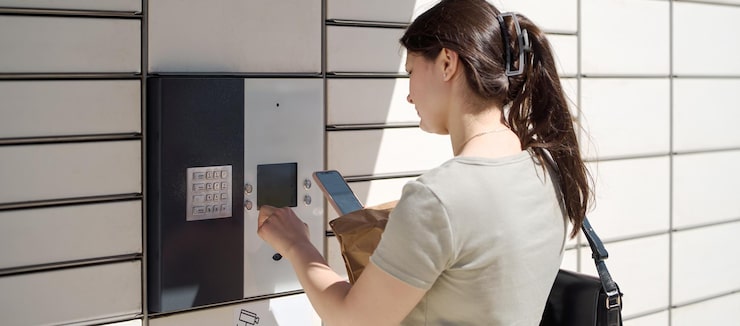
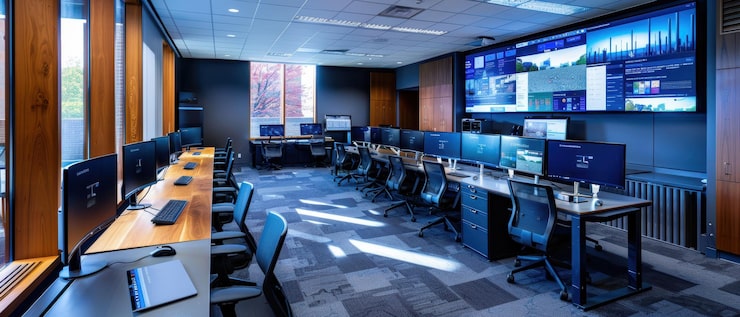
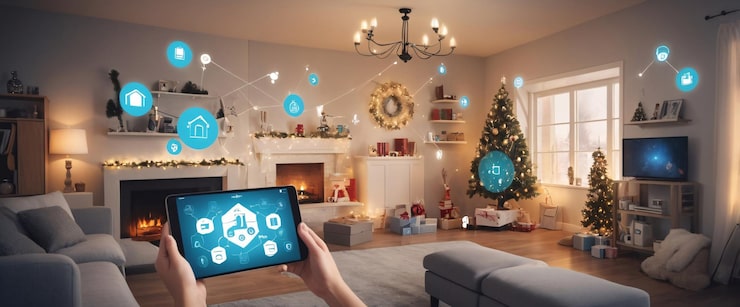
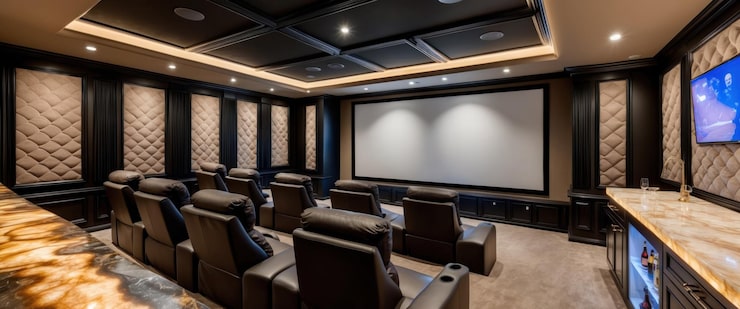
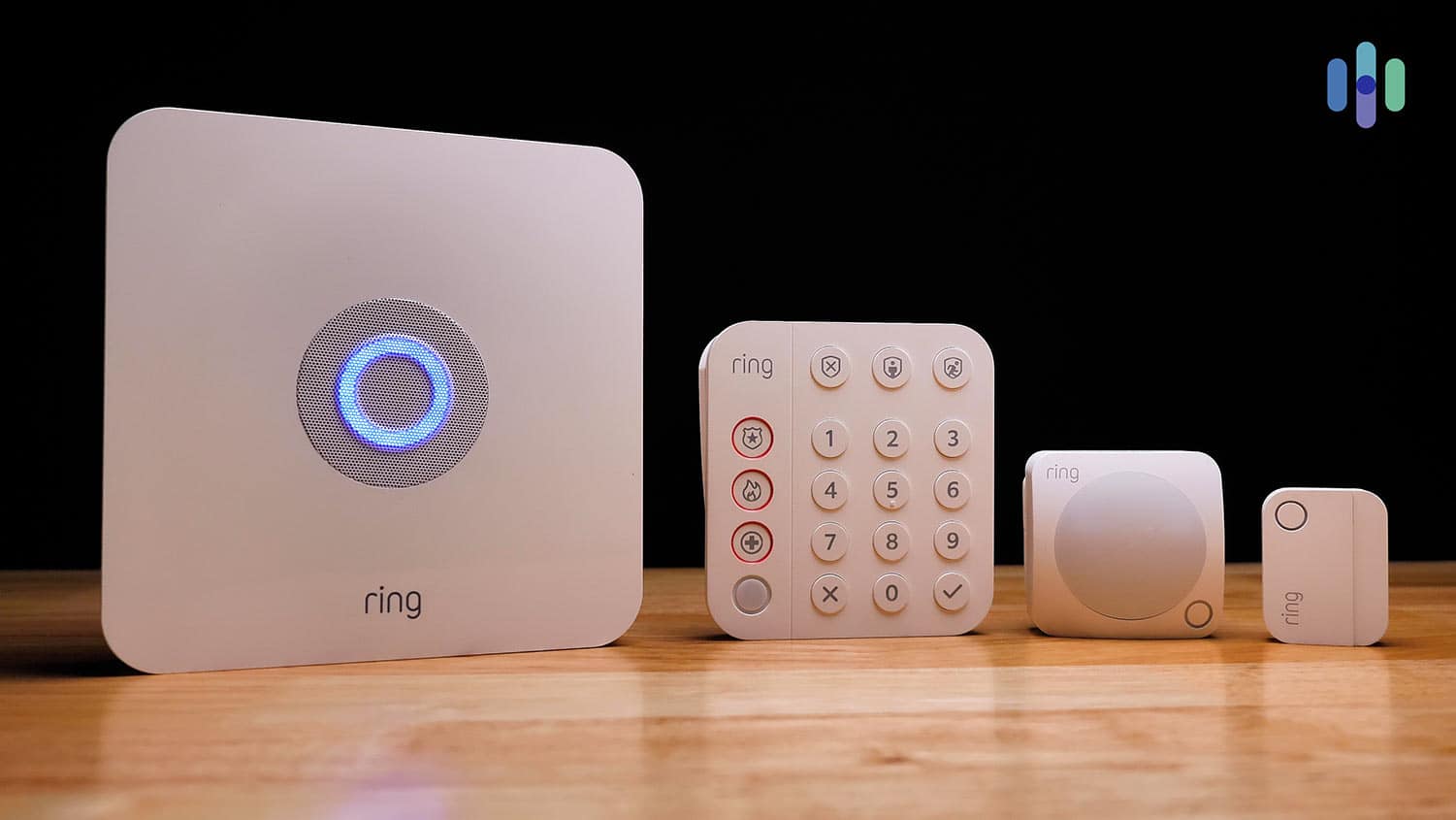



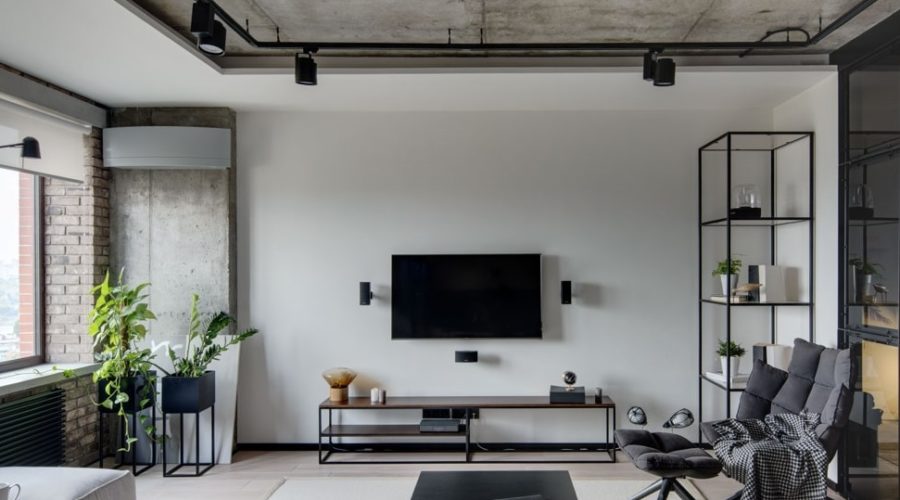

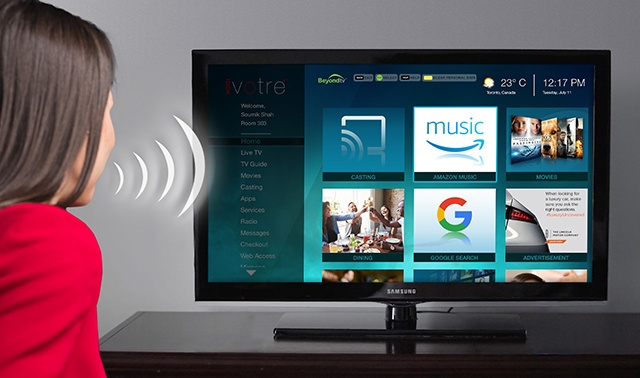
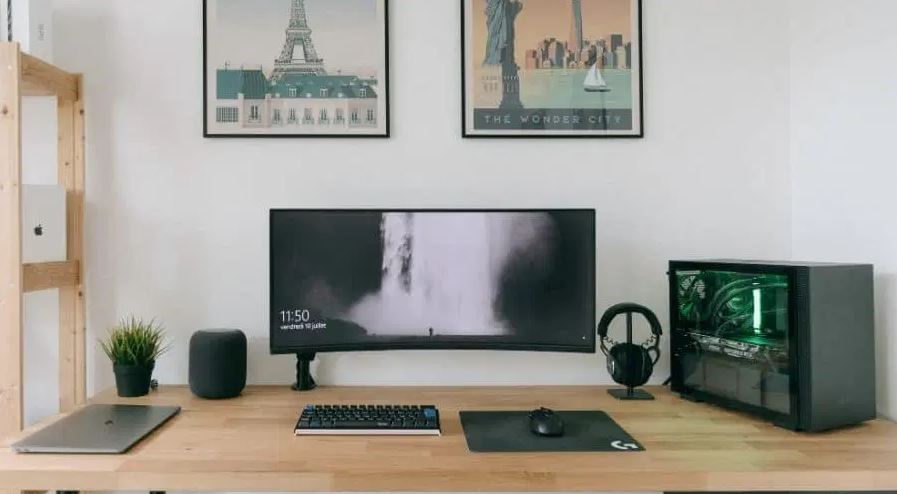
Recent Comments